Source Forged Inconel 625 Flange for Chemical, Oil, Power
Compare 30 listings for forged Inconel 625 flange from verified Chinese manufacturers. Buyers can evaluate detailed specifications, competitive pricing, and delivery terms for high-temperature applications in chemical processing, oil refining, and power generation sectors today; compare the available evidence and request quotations based on your requirements.
Key considerations
Products List




Comprehensive Sourcing Guide
Forged Inconel 625 Flange Sourcing Guide
Procuring forged Inconel 625 flanges requires a disciplined approach to material verification and manufacturing process validation. Buyers must prioritize suppliers who explicitly state the use of Inconel 625 alloy, often designated as UNS N06625, to ensure the component meets the high-temperature and corrosion-resistant performance standards required for critical industrial applications. The forging process is a key differentiator, as it provides superior grain structure and mechanical strength compared to cast alternatives, making it essential for high-pressure systems.
Sourcing decisions should be guided by observed listing signals that confirm the supplier’s capability to handle complex alloy specifications. Market data indicates a wide range of available sizes, from DN15 to DN2000, and various flange types including Weld Neck, Lap Joint, and Blind flanges. Buyers should verify that the supplier offers customization options and maintains stock availability for standard sizes, while also confirming their ability to produce custom orders within reasonable lead times, typically ranging from ten to twenty days for forged items.
Product Scope and Observed Listing Signals
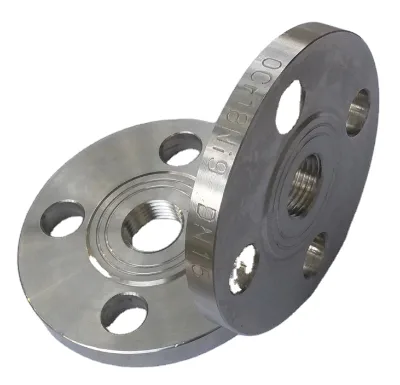
The product scope for forged Inconel 625 flanges encompasses a broad spectrum of industrial components designed for demanding environments. Listings frequently highlight the availability of flanges in various connection types, such as flanged and welding connections, with sealing surfaces available in Raised Face (RF) and Flat Face (FF) configurations. The structural design is typically round, and the products are often categorized under specific model numbers like ASTM B564 or UNS N06625, ensuring traceability and adherence to recognized industry classifications for nickel-chromium-molybdenum alloys.
Observed market signals reveal significant variation in material sourcing and manufacturing origins, which buyers must carefully evaluate. While some suppliers source raw materials from reputable mills like Baosteel, Walsin, and Tsingshan, others may list alternative materials such as 304, 316L, or Alloy Steel, which are not suitable for Inconel 625 applications. Buyers should scrutinize listings for explicit mentions of Inconel 625 or Inconel FORGED FLANGES to avoid confusion with standard stainless steel products. Additionally, packaging methods vary from wooden boxes to pallets and seaworthy marine packaging, which impacts logistics and protection during transit.
Technical Specifications to Verify
Technical verification begins with confirming the material grade and standard compliance, as Inconel 625 offers exceptional resistance to pitting, crevice corrosion, and oxidation. Buyers must ensure that the flanges conform to recognized standards such as ASTM B564, SB564, or ASTM B366, which govern the chemical and mechanical properties of nickel alloy forgings. The size range is extensive, often spanning from 1/2 inch to 80 inches, and buyers should verify that the selected flange dimensions align with their piping system requirements, including pressure ratings and temperature limits specific to their operational environment.
Manufacturing techniques and surface treatments are equally critical for ensuring long-term performance and leak-tight integrity. The forging process is a mandatory attribute for high-strength applications, and buyers should confirm that the supplier utilizes proper forging practices to enhance the material’s durability. Surface treatments, such as polishing, are common and help prevent corrosion initiation sites. Additionally, buyers should verify the availability of specific flange types, including Weld Neck, Socket Weld, and Threaded options, to ensure compatibility with their existing infrastructure and installation methods.
Compliance and Safety Documentation
Compliance documentation is essential for verifying that the forged flanges meet international quality and safety standards. Buyers should request certificates of conformity that explicitly reference standards such as GOST, GB, DIN, ANSI, BSW, and JIS, depending on the target market and regulatory requirements. These documents confirm that the product’s chemical composition and mechanical properties align with the specified alloy grade, providing assurance that the flanges will perform as expected under stress and corrosive conditions.
Quality assurance processes should be transparent and well-documented, with suppliers providing evidence of rigorous testing and inspection protocols. Buyers should inquire about the supplier’s quality control measures, including material traceability from raw material sourcing to final product delivery. Documentation should also cover any specific testing performed, such as tensile strength, hardness, and corrosion resistance tests, although specific test results should be verified on a case-by-case basis. Ensuring that the supplier adheres to these compliance frameworks minimizes the risk of receiving substandard components that could lead to system failures.
Cost Drivers and Commercial Terms
Cost drivers for forged Inconel 625 flanges include the price of raw nickel and chromium alloys, manufacturing complexity, and order volume. The minimum order quantity (MOQ) can vary significantly, ranging from small batches of 50kg to larger industrial orders of up to 500 units, influencing the unit price and overall procurement budget. Buyers should negotiate based on their specific volume requirements, as larger orders may qualify for more favorable pricing, while smaller, customized orders may incur higher per-unit costs due to setup and processing fees.
Commercial terms and delivery schedules play a crucial role in the total cost of ownership. Suppliers often offer trade terms such as EXW, FOB, CIF, and CFR, each affecting the buyer’s responsibility for shipping, insurance, and customs clearance. Delivery times typically range from ten to twenty days, but this can vary based on stock availability and production capacity. Buyers should clarify these terms early in the procurement process to avoid unexpected logistics costs and ensure that the flanges arrive on schedule for their project timelines.
Supplier Qualification and Quality Control
Supplier qualification requires a thorough assessment of their manufacturing capabilities and quality management systems. Buyers should prioritize suppliers who explicitly state their use of forging techniques and have a proven track record in producing high-quality alloy flanges. Verification of the supplier’s origin, such as manufacturers based in China or other industrial hubs, can provide insights into their supply chain efficiency and cost structure. However, buyers must ensure that the supplier’s quality standards meet their specific project requirements, regardless of geographic location.
Quality control measures should be integrated into the procurement process, with buyers requesting detailed inspection reports and material test certificates. Suppliers should demonstrate their ability to handle various material grades, including Inconel 625, 825, and 600, indicating a robust production environment. Buyers should also evaluate the supplier’s packaging practices, ensuring that flanges are protected against damage during transit using methods like wooden boxes, plywood crates, or pallets. Establishing a clear quality agreement with the supplier helps mitigate risks and ensures consistent product performance.
Long-Term Procurement Checks
Long-term procurement success depends on establishing a reliable supply chain that can adapt to changing project needs and market conditions. Buyers should conduct periodic reviews of supplier performance, focusing on delivery consistency, product quality, and responsiveness to technical queries. Maintaining open communication with suppliers allows for early identification of potential issues, such as raw material shortages or production delays, enabling proactive mitigation strategies. Regular audits of supplier quality systems can also help ensure ongoing compliance with industry standards and specifications.
Building a diversified supplier base can enhance supply chain resilience, reducing the risk of disruptions caused by single-source dependencies. Buyers should explore multiple qualified suppliers who offer forged Inconel 625 flanges, comparing their capabilities, pricing, and service levels. This approach provides flexibility in sourcing and strengthens negotiation positions. Additionally, staying informed about industry trends, such as new material grades or manufacturing technologies, can help buyers make informed decisions and optimize their procurement strategies for future projects.
FAQs
What material grades are available for forged flanges?
Inconel 625 is the primary grade offered, alongside other stainless options like 304, 316L, and 317L. These materials originate from suppliers such as Baosteel and Tsingshan. The products meet various international standards including GOST, DIN, and ANSI for diverse industrial applications.
Which connection types are available for these flanges?
Available connection types include Weld Neck, Lap Joint, Socket Weld, Blind, and Threaded options. The sealing surface is typically RF or FF depending on the specific design. These flanges are manufactured using a forging process to ensure high structural integrity and durability.
Can I find stock available for immediate delivery?
Yes, stock is available for immediate shipment upon request. The standard delivery time ranges from ten to twenty days after order confirmation. Products are packed securely in wooden boxes, plywood boxes, or on pallets to ensure safe transit during global shipping.
What is the minimum order quantity for these flanges?
The minimum order quantity varies between one and five hundred units depending on the supplier. Some listings specify a minimum weight requirement of fifty kilograms. Buyers should verify specific MOQ values with vendors to ensure their order meets the required threshold for processing.
How are these flanges packaged for international shipping?
Flanges are packaged in wooden boxes, plywood boxes, or on pallets for protection. Marine packaging and seaworthy packing options are also available for long-distance transport. This ensures the products remain undamaged during transit from the origin in China to the final destination.
Which standards do these forged flanges comply with?
These flanges comply with major international standards including ASTM, DIN, ANSI, JIS, and GB. Specific models adhere to ASTM B564 and ASTM B366 specifications for Inconel 625. Compliance ensures the products meet rigorous quality requirements for high-strength and wear-resistant industrial applications.
What is the size range for these forged flanges?
The size range spans from DN15 to DN600, with some options extending up to DN2000. Specific dimensions include sizes from one-half inch to eighty inches. This wide range allows selection for various pipe diameters and pressure ratings in complex industrial systems.